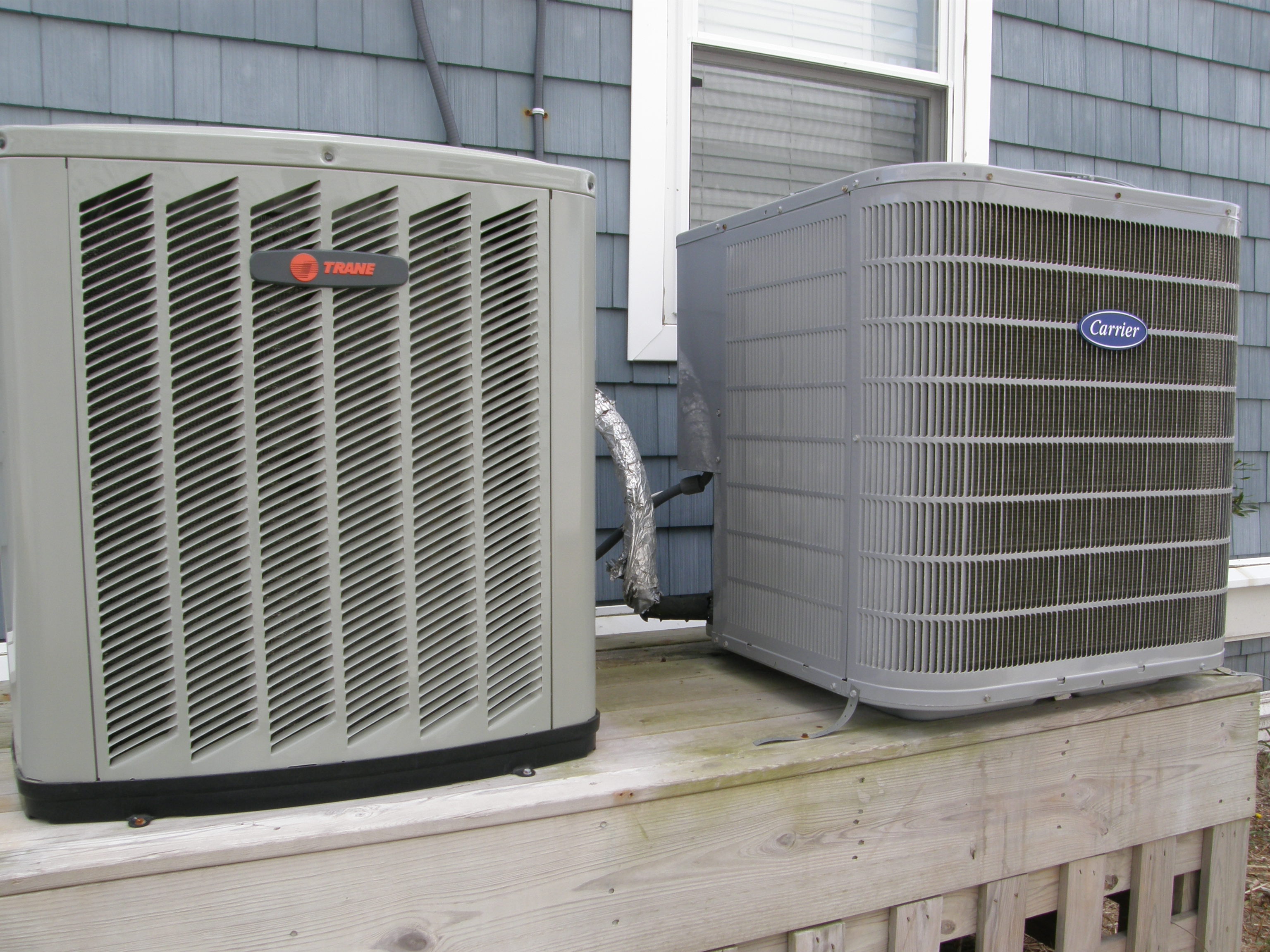
A Comprehensive Guide for Outer Banks Homeowners
Owning a vacation home on North Carolina’s Outer Banks is a dream come true, but maintaining its comfort and value requires thoughtful care—especially when it comes to your heating, ventilation, and air conditioning (HVAC) system. Your HVAC system is the backbone of your home’s comfort, ensuring it stays cool during the sweltering summer months and cozy during chilly coastal winters. But how do you know when it’s time to replace your HVAC system? While the short answer might be “now,” the decision is more nuanced and deserves careful consideration. In this guide, we’ll explore the signs that indicate it’s time for a HVAC replacement, why replacing your entire system at once is critical, how to choose the right system size, and proactive steps to maintain your HVAC system for long-term performance.
Signs It’s Time to Replace Your HVAC System
- Age of the System: Most HVAC systems have a lifespan of 15 to 20 years. If your system is approaching or exceeding this age range, it’s likely operating less efficiently than modern units. Older systems often struggle to maintain consistent temperatures, leading to discomfort and higher energy bills.
- Declining Performance: If you’ve noticed that your home isn’t as comfortable as it once was—perhaps some rooms are too hot or too cold, or the system struggles to maintain your desired temperature—it may be a sign that your HVAC system is nearing the end of its life. Frequent cycling (turning on and off repeatedly) or unusual noises like grinding or banging are also red flags.
- Rising Energy Bills: As HVAC systems age, they become less efficient, requiring more energy to deliver the same level of heating or cooling. If your utility bills are creeping up despite consistent usage, your system may be working harder than it should.
- Frequent Repairs: If you’re calling for HVAC repairs more often than usual, it’s a sign that your system is struggling to keep up. While replacing a single component, like a compressor, might seem like a quick fix, it’s often a temporary solution that delays the inevitable. Continuing to pour money into repairs for an outdated system can quickly outweigh the cost of a new, efficient unit.
- Inconsistent Comfort: Uneven temperatures, excessive humidity, or poor air quality in your home are all signs that your HVAC system may no longer be up to the task. Modern systems are designed to provide consistent comfort and better indoor air quality, which is especially important in the humid coastal climate of the Outer Banks.
Rather than waiting for a critical component like the compressor to fail, which could leave you without heating or cooling at the worst possible time, it’s wise to be proactive. Contact the certified HVAC experts at Air Handlers OBX for a professional assessment to determine whether repair or replacement is the best course of action.
Should You Replace All HVAC Components at Once?
When it’s time to replace your HVAC system, you might be tempted to replace only the outdoor unit (condenser) or the indoor unit (air handler or furnace) to save money upfront. However, this approach is rarely advisable. Here’s why replacing the entire system at once is the smarter choice:
- Copatibility and Efficiency: HVAC systems are designed as a cohesive unit, with indoor and outdoor components engineered to work together seamlessly. Mixing old and new components can lead to mismatched performance, reduced efficiency, and increased wear and tear on the newer unit. For example, an older indoor unit may not be compatible with the advanced technology in a new outdoor unit, leading to suboptimal performance and higher energy costs.
- Long-Term Savings: While replacing only one part of the system may seem cost-effective initially, it often leads to more frequent repairs and a shorter lifespan for the new component. A full system replacement ensures that all parts are optimized for efficiency, reducing energy bills and extending the life of your investment.
- Warranty Considerations: Many HVAC manufacturers require that both indoor and outdoor units be replaced together to maintain warranty coverage. Installing a new HVAC unit with an older one could void the warranty, leaving you unprotected if issues arise.
- Improved Performance: A complete HVAC system replacement ensures that your home benefits from the latest advancements in HVAC technology, such as variable-speed compressors, smart thermostats, and improved energy efficiency ratings (like SEER2 for cooling and AFUE for heating). This translates to better comfort, lower energy costs, and a smaller environmental footprint.
By replacing your entire HVAC system, you’re investing in the long-term comfort and efficiency of your Outer Banks home, ensuring it remains a welcoming retreat for years to come.
How to Maintain Your HVAC System for Longevity
A well-maintained HVAC system not only performs better but also lasts longer, saving you money and keeping your Outer Banks vacation home comfortable year-round. Here are practical steps to keep your system in top shape:
- Check and Replace Air Filters Regularly: A clean air filter is essential for maintaining airflow and indoor air quality. Check your filter monthly and replace it at least every three months—or more frequently if you have pets, allergies, or frequent guests. A clogged filter forces your system to work harder, increasing energy costs and reducing efficiency.
- Invest in a Programmable or Smart Thermostat: A programmable thermostat allows you to set temperature schedules that align with your usage patterns, especially important for a vacation home that may sit unoccupied for periods. For example, you can raise the temperature slightly during the summer or lower it in the winter when the home is empty, saving energy without sacrificing comfort. Smart thermostats take this a step further by allowing remote control via your smartphone and learning your preferences over time.
- Ensure Proper Airflow: Blocked or closed supply and return vents can disrupt airflow, causing your system to work harder and reducing its efficiency. Make sure furniture, rugs, or other items aren’t obstructing vents, and keep them clean to promote optimal performance.
- Keep the Outdoor Unit Clean: The outdoor condenser unit is exposed to the elements, including sand, salt, and debris common in the Outer Banks. Regularly inspect the unit and clear away leaves, dirt, or other debris. Ensure there’s at least two feet of clearance around the unit to promote proper airflow.
- Improve Energy Efficiency Through Insulation: Proper insulation and weather sealing keep cool air in during the summer and warm air in during the winter. Check your home’s insulation, especially in the attic and around windows and doors, to prevent energy loss. This is particularly important in the Outer Banks, where high humidity and coastal winds can challenge your HVAC system.
- Schedule Annual Maintenance: Preventive maintenance is the key to catching small issues before they become costly repairs. Schedule an annual inspection with Air Handlers OBX, where certified technicians will clean, tune, and inspect your system to ensure it operates at peak performance. Regular maintenance can extend the life of your HVAC system and improve its efficiency, saving you money in the long run.
Why Choose Air Handlers OBX?
Your Outer Banks vacation home deserves the best care, and that includes a reliable, efficient HVAC system. At Air Handlers OBX, our certified technicians are dedicated to helping you maintain a comfortable and energy-efficient home. Whether you need a professional assessment, a full system replacement, or routine maintenance, we have the expertise to ensure your HVAC system performs at its best.
Don’t wait for a breakdown to take action. Contact Air Handlers OBX today to schedule a consultation and learn how we can help you keep your vacation home comfortable and welcoming for years to come.